Thinking about giving your older Kiwi home a bit of a tech makeover for better security? It’s a great idea, especially with our unique lifestyle and sometimes… surprising weather. You might think retrofitting smart tech is a nightmare, but honestly, it’s often easier than you’d expect. We’re talking about making your place safer and more convenient, without turning your villa into a building site. Let’s explore some Smart Security Upgrades that actually make sense for your home.
Key Takeaways
- Smart cameras offer clear day and night vision, with options for local or cloud recording to suit your needs and budget.
- Smart alarm systems provide alerts for potential intrusions, giving you peace of mind when you’re out and about.
- Home automation, like smart lights and curtains, can make your home look occupied even when it’s empty.
- Keyless smart locks offer convenience for the family and controlled access for visitors, plus auto-locking features.
- Retrofitting smart security upgrades into older homes is often more straightforward than people assume, especially with pre-wiring.
Keeping An Eye On Things: Smart Security Cameras For Your Villa
Right then, let’s chat about keeping an eye on your place with some smart security cameras. Especially if you’ve got one of those lovely older Kiwi villas, they can really add that extra layer of security and peace of mind. You know, those beautiful homes with character? They deserve a bit of modern protection too.
Crystal Clear Views, Day And Night
Gone are the days of grainy black and white footage. Modern cameras are seriously impressive. Many now offer full-colour night vision, which is a game-changer. Imagine seeing the colour of a car that drove past in the dark, or what someone was wearing – details that used to be lost are now captured. This is thanks to super-sensitive sensors and sometimes a gentle light that doesn’t disturb the neighbourhood. It’s like having a pair of really good eyes watching your property 24/7.
When you’re picking cameras for outside, especially here in New Zealand, you’ve got to think about the weather. We get everything from salty sea air to proper downpours. Look for cameras with a good IP rating, like IP66 or IP67. This number basically tells you how well they’re protected against dust and water, so you know they’ll last.
Recording Your Memories: On-Site Versus The Cloud
So, where does all that footage go? You’ve got two main options: recording it on-site or using the cloud. On-site recording usually means a hard drive or a memory card plugged into your system. It’s yours, you control it, and you don’t need an internet connection for it to work. The cloud, on the other hand, means your footage is stored on remote servers. This is handy because you can access it from anywhere with an internet connection, and it’s safe even if someone tries to nick your camera.
Here’s a quick rundown:
- On-Site Storage:
- Pros: You own the data, no ongoing fees, works without internet.
- Cons: Can be damaged or stolen with the property, limited storage space.
- Cloud Storage:
- Pros: Accessible from anywhere, data is safe from local theft/damage, often comes with automatic backups.
- Cons: Usually involves a monthly fee, relies on a stable internet connection.
For most folks, a mix of both can be a good idea. You might keep a few days of footage locally for quick access and have longer-term cloud storage for important events. Just remember, you don’t need to keep footage forever. For home use, 7 to 14 days is often plenty, and for businesses, around 30 days is pretty standard. It’s all about keeping what you need and respecting privacy.
When you’re setting up cameras, think about where you point them. You want to cover the main entry points like doors and ground-floor windows. Try to position them so the sun isn’t shining directly into the lens, especially during sunrise or sunset, as this can wash out the image. It’s a bit like planning a good photo – lighting is key!
Choosing The Right System For Our Kiwi Conditions
Picking the right camera system for your villa means thinking about what you actually need and what our local environment throws at us. For a place in Wellington, you’ll want something that can handle the wind and rain, so those high IP-rated cameras are a must. If you’re out in the country, maybe on a farm, you might need cameras that can cover long distances wirelessly, as running cables everywhere just isn’t practical. A suburban home might be perfectly happy with a wireless system that’s easy to set up yourself. The key is to match the tech to your specific property and the most likely threats you face. You can find some great local security solutions designed with our conditions in mind.
Securing Your Valuables With Smart Alarms
Peace Of Mind When You’re Away
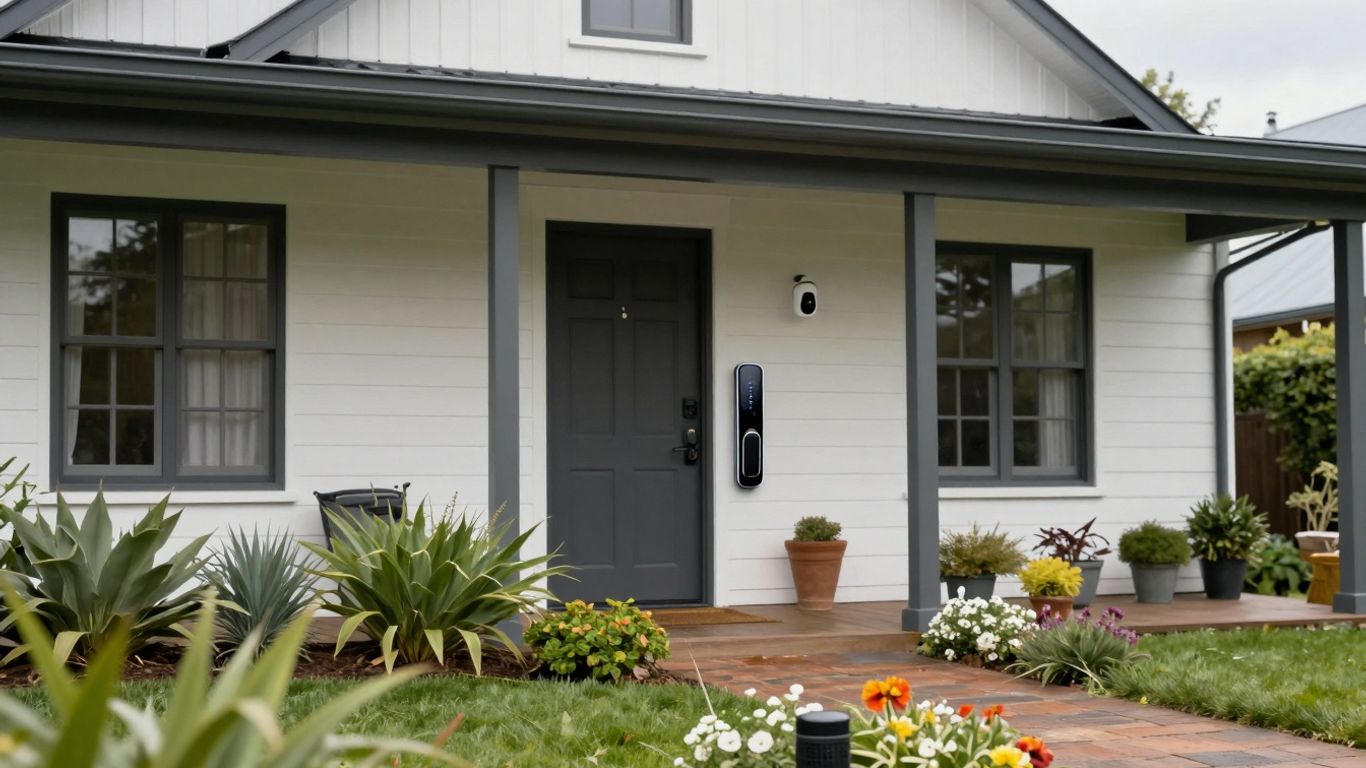
Leaving your home, even for a quick trip to the shops, can bring a little niggle of worry, can’t it? Especially if you’ve got some prized possessions tucked away. Smart alarms are brilliant for giving you that extra bit of reassurance. They’re not just about blaring sirens anymore; they’re about smart, proactive protection that keeps you in the loop.
Instant Alerts For Your Prized Possessions
Imagine you’re out and about, and you get a notification on your phone. It’s not just a random alert; it’s specific. Maybe a sensor has detected movement near your classic motorbike in the garage, or perhaps a tilt sensor on your boat trailer has been triggered. These smart systems can tell you exactly what’s happening, giving you a chance to react before anything’s actually gone. It’s like having a watchful eye on your most important items, no matter where you are. You can even get these systems monitored 24/7, so if something does happen, professionals are alerted straight away.
Smart Security That Works For Your Family
These systems are designed to be clever. They can tell the difference between your cat doing zoomies and a genuine intruder. This means fewer annoying false alarms that make you jump out of your skin! Plus, they can link up with other smart devices. Think lights turning on automatically if a sensor is tripped, or your curtains closing. It all adds up to a more secure home that works around your family’s life. You can even get a free assessment to see what would work best for your place.
Old-school alarms often just tell you after the fact. Modern smart alarms are about stopping trouble before it even starts, giving you a much better feeling of safety.
Making Your Home Smarter And Safer With Automation
Lights, Curtains, And Doors Working Together
Imagine this: you’re heading home after a long day, and as you pull into the driveway, your porch light flicks on automatically. Then, as you unlock the door, the hallway lights illuminate, and your favourite playlist starts softly in the background. This isn’t science fiction; it’s the magic of smart home automation, and it can make your older Kiwi home feel brand new.
By linking devices together, you can create routines that simplify your life. Think about setting up a ‘goodnight’ scene that turns off all the lights, locks the doors, and closes the curtains with a single command or at a set time. It’s about making everyday tasks that little bit easier and adding a layer of security without you even having to think about it.
Creating A ‘Home Alone’ Look
Going away for the weekend or a longer holiday? The last thing you want is for your home to look empty and inviting to unwelcome visitors. Smart automation can help create the illusion that someone’s home, even when you’re not. You can set lights and even curtains to open and close at different times, mimicking your usual daily routine. This simple trick can be a real deterrent and give you peace of mind while you’re off enjoying yourself. It’s a clever way to avoid common home security mistakes and keep your place looking occupied avoid common home security mistakes.
Integrating With Devices You Already Own
Worried about starting from scratch? The beauty of modern smart home tech is its ability to play nicely with other gadgets. Many systems are designed to connect with devices you might already have, like smart speakers or even some older security systems. This means you don’t necessarily need to replace everything. You can often start small, perhaps automating a few lights or your garage door, and then build from there. It’s about making your home work for you, not the other way around.
Smart Locks: A Secure Welcome Home
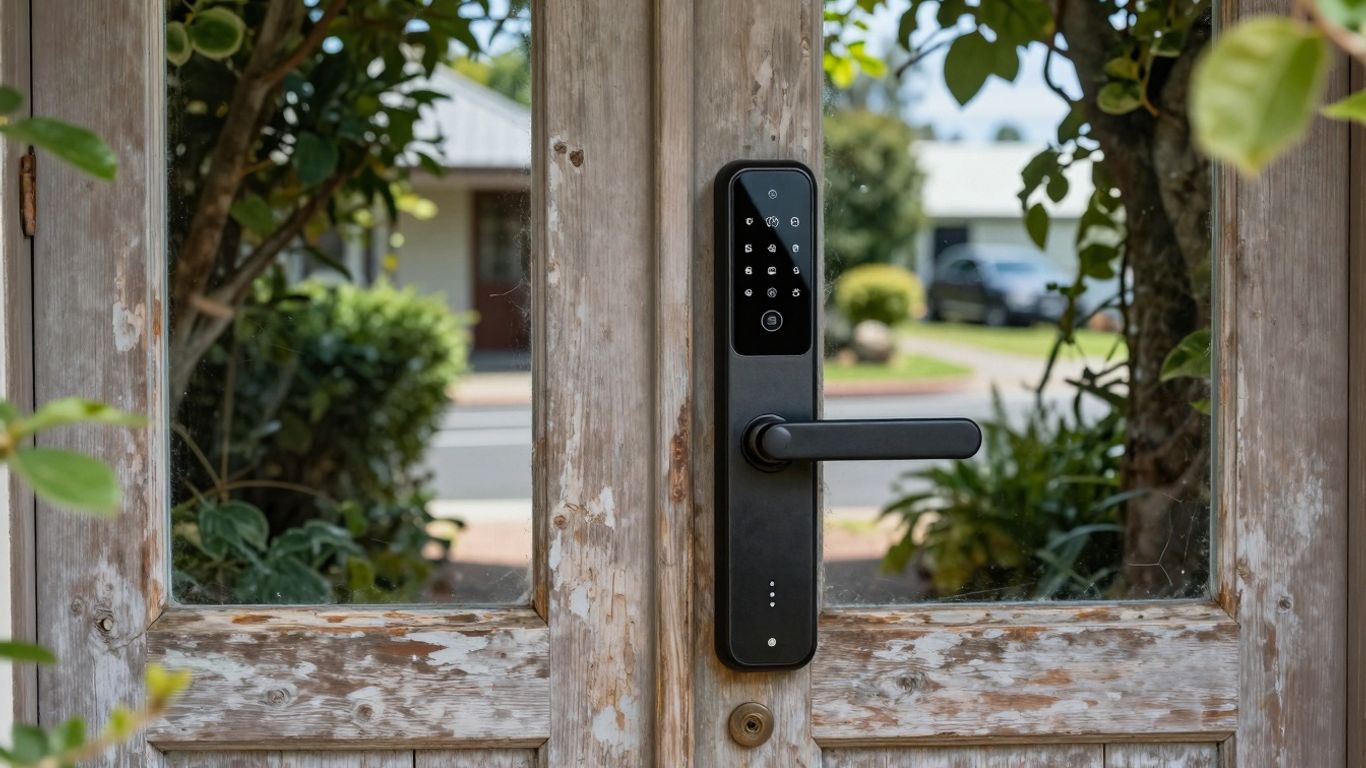
Forget fumbling for keys in the dark or worrying if you’ve locked up properly. Smart locks are a game-changer for your older Kiwi home, bringing convenience and a solid dose of security.
Keyless Entry For The Whole Family
Imagine this: you’re heading out with the kids, arms full of groceries or sports gear. Instead of juggling keys, you just tap a code on a keypad or use your phone. Easy peasy. This is the beauty of keyless entry. It’s not just about not needing a physical key; it’s about making life simpler for everyone. You can set unique codes for family members, so you always know who’s coming and going. No more hiding spare keys under the pot plant – that’s a classic security risk we can all do without.
Granting Access To Trusted Visitors
Got a cleaner coming on Tuesdays? Or maybe a neighbour popping in to water the plants while you’re away? Smart locks let you grant temporary access without needing to be there. You can set specific times or create one-off codes that expire automatically. This means you don’t have to worry about lost or unreturned keys. It’s a much more controlled and secure way to let people into your home when you can’t be there yourself.
Securing Your Doors Automatically
One of the best features is the auto-lock function. You know that nagging feeling you get halfway to work, wondering if you remembered to lock the front door? With a smart lock, you can set it to lock itself after a certain period, or when you leave the house (if it’s connected to other smart devices). This gives you real peace of mind, knowing your home is secure without you having to lift a finger. It’s like having a little digital guardian for your front door.
Protecting Our Cherished Elders With Smart Technology
It’s natural to want our older family members to stay independent and in their own homes for as long as possible. Thankfully, a bit of smart tech can make a huge difference, offering a safety net that gives everyone peace of mind.
Supporting Independence With A Safety Net
Smart devices can really help out with everyday tasks, especially if mobility or dexterity is becoming an issue. Think about voice-activated assistants like Google Home or Amazon Alexa. These can be lifesavers for setting reminders for medication, making calls without needing to pick up a phone, or even just getting the news. It can help reduce feelings of isolation and keep them connected to the world. Setting them up might take a little time, but the benefits for someone with vision or mobility challenges can be massive.
Even simple things like smart plugs can make a difference. You can control lights or other appliances with just your voice, which is a godsend if reaching for switches or plugs is tricky. It’s about making their home work for them, not the other way around.
Instant Help When It’s Needed Most
When it comes to emergencies, smart technology offers some brilliant solutions. Wearable devices, like smart watches, are becoming increasingly sophisticated. Many now have built-in fall detection, which can automatically alert a chosen contact or emergency service if a tumble happens. Some even have two-way calling and GPS tracking, so you know where they are and can communicate directly. It’s a bit like having a guardian angel on their wrist.
Inside the home, sensors can also play a big role. You can get discreet sensors that monitor movement, or even detect if a door or window has been left open. Some systems can even monitor if a fridge door hasn’t been opened by a certain time, which could indicate a problem. These alerts can be sent straight to your phone, allowing you to check in or offer help before a situation escalates. This kind of remote supervision is invaluable for dementia care.
Peace of Mind For The Whole Family
Ultimately, smart technology for elder care is about providing that extra layer of security and connection. It allows your loved ones to maintain their independence and dignity while knowing that help is available if they need it. For you, it means less worry and the comfort of knowing they’re safe and well, even when you can’t be there in person.
It’s not about replacing human contact, but supplementing it. Smart doorbells with cameras, for instance, let you see who’s at the door before opening it, adding a layer of security. And the ability to control lights and curtains remotely can make it look like someone’s home, deterring potential trouble. It’s about creating a safer, more connected environment for everyone.
Retrofitting Smart Security Upgrades Into Older Homes
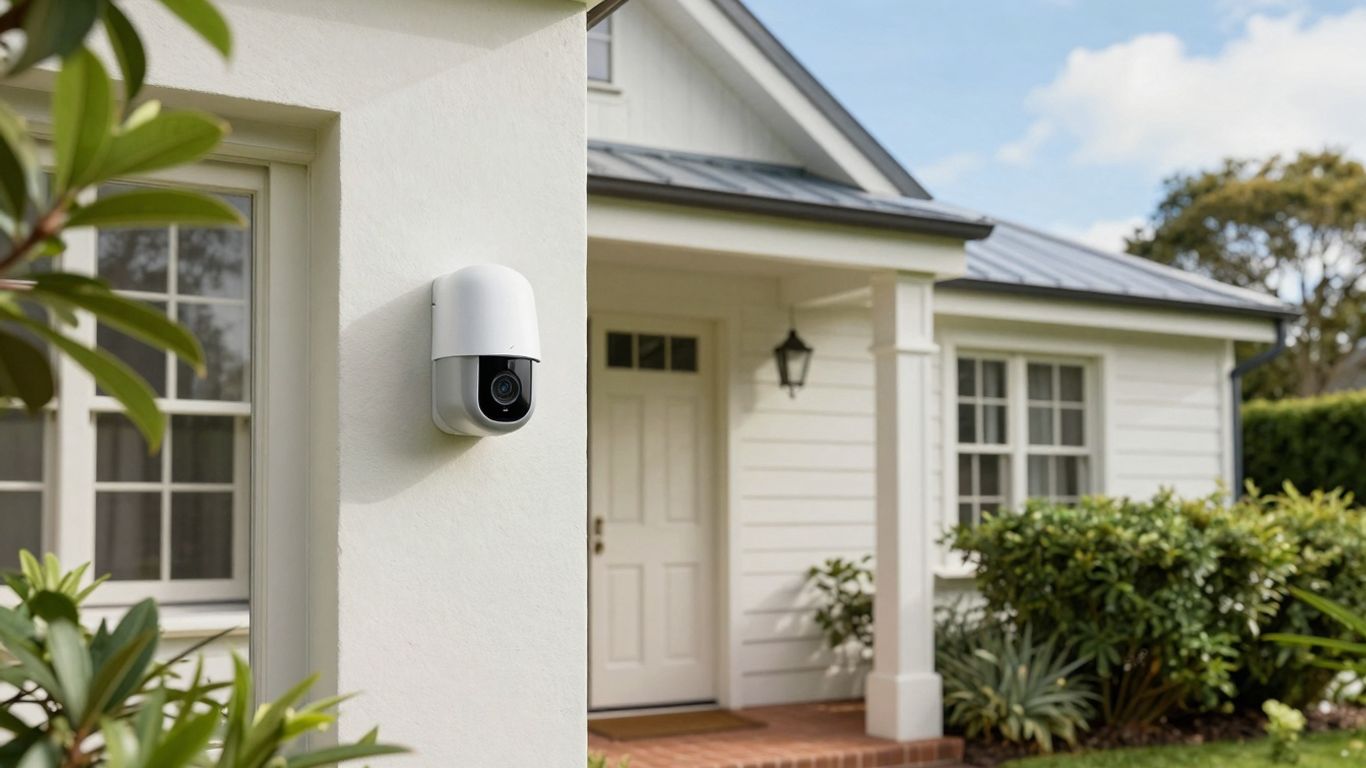
So, you’ve got a classic Kiwi villa or bungalow and you’re keen to bring it into the 21st century with some smart security. It might sound like a big job, but honestly, these older homes are often easier to work with than you’d think!
Making The Most Of Existing Spaces
Many older homes have handy spaces like under the floor or in the attic that are perfect for running cables. Even some older wall linings can be a doddle to work with. If you’re already planning some renovations, like knocking out a wall or adding an extension, that’s the absolute best time to get wiring in place. It saves a heap of hassle and mess down the track.
Planning Your Smart Home Investment
When you’re thinking about adding smart tech, it’s a good idea to budget for it. People often spend around 6-9% of their renovation budget on this sort of thing. A smart move for those on a tighter budget is to get the wiring done now, and then add the actual smart devices later when funds allow. It’s a bit like future-proofing your place.
- Consider your priorities: What’s most important to you? Cameras, alarms, smart locks?
- Think about wiring: While wireless is an option, wired systems are generally more reliable for things like security.
- Get professional advice: Experts can help you figure out the best approach for your specific home.
Retrofitting technology into older homes is often more straightforward than you might imagine, especially if you’re already undertaking renovations. Taking advantage of existing spaces and planning ahead can make a big difference.
The Benefits Of Pre-Wiring For The Future
Even if you’re not ready to install all your smart gadgets just yet, getting the wiring done during a renovation is a smart move. It means you can take advantage of having the walls open to run the necessary cables. This saves you a lot of money and disruption later on. It’s a bit like laying the groundwork for a more connected and secure home down the line. You can always add the bells and whistles when you’re ready, but getting the infrastructure in place now is key. This approach can really help with home security monitoring down the track.
So, what’s the takeaway?
Right then, hopefully, you’ve got a better idea now about how you can give your older Kiwi home a bit of a security boost. It doesn’t have to be a massive, complicated job, and you don’t need to be a tech whiz to get started. Whether it’s a simple smart lock or a few extra cameras, these upgrades can make a real difference to your peace of mind. Plus, think how handy it’ll be when you’re away and can check in on things from your phone – no more wondering if you left the garage door open! Give it some thought, have a look around, and see what fits your place and your budget. You’ll be glad you did.