Right then, let’s talk about your garden. You know, the one that’s looking a bit parched lately or feeling like a sauna in summer? Our weather’s definitely doing its own thing these days, and it’s high time we made our outdoor spaces a bit more forgiving. This isn’t about some fancy, complicated overhaul; it’s about making simple, smart choices for your patch of green. We’re looking at Climate-Smart Landscaping here, making sure your garden not only looks good but can handle whatever the sky throws at it, while also being kinder to our planet.
Key Takeaways
- Get to know your local weather patterns – what’s changed, and what’s likely to change more? This helps you pick the right plants and plan your watering.
- Make every drop of rain count. Think about collecting rainwater and watering your plants smarter, so they get what they need without waste.
- Choose plants that are tough and suited to our climate. Natives and drought-tolerant types are often your best bet for a low-fuss, resilient garden.
- Create shady spots and cooler surfaces to beat the heat, both for you and your plants. Even small water features can make a difference.
- Healthy soil is the foundation of a strong garden. Look after it, and it’ll look after your plants during tough times, like storms or dry spells.
Understanding Our Changing Climate
What Our Local Weather Is Telling Us
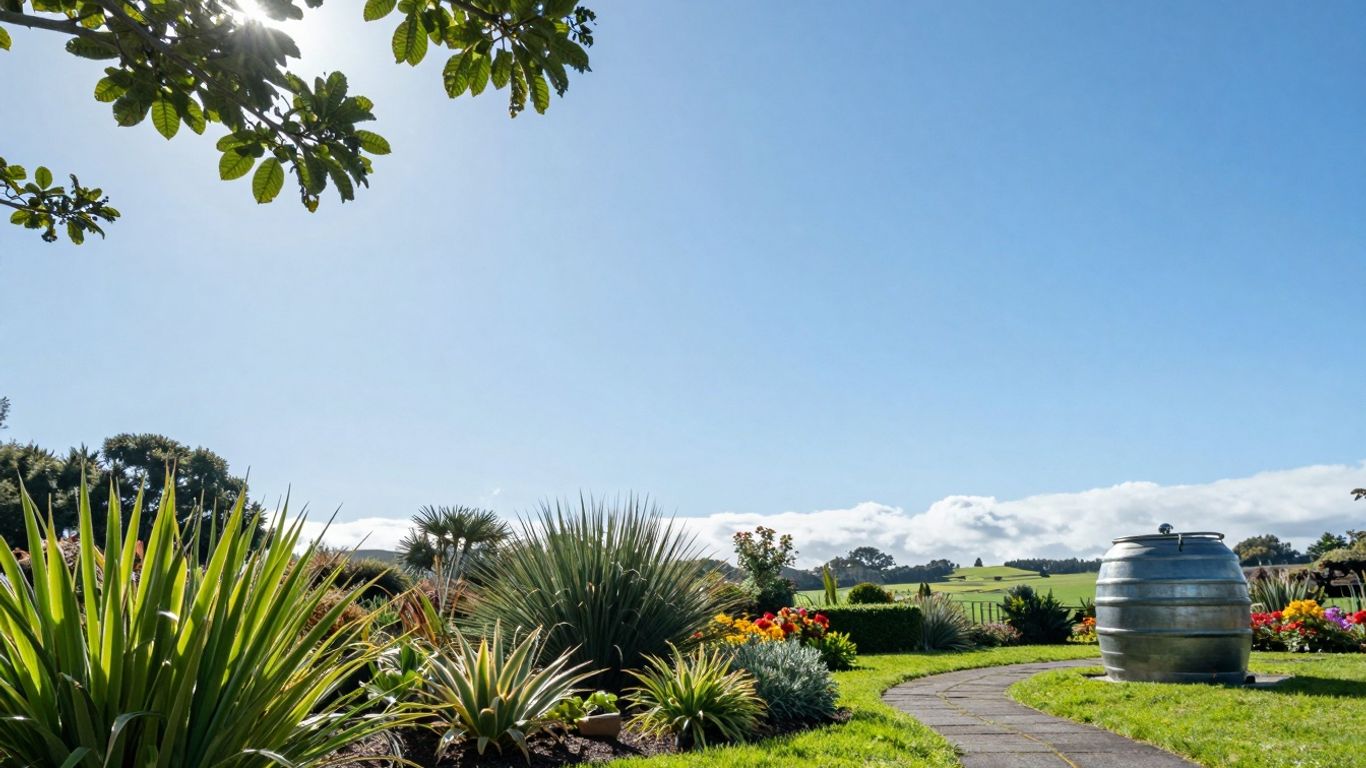
It feels like the weather’s been a bit all over the place lately, doesn’t it? We’ve all noticed those hotter summers and maybe some surprisingly mild winters. It’s not just us imagining things; our local weather patterns are definitely shifting. Think about those sudden downpours that seem to come out of nowhere, or those longer dry spells we’re experiencing. These changes are real, and they’re starting to affect our gardens.
We’re seeing more extreme weather events, which means our gardens need to be tougher. This isn’t about doom and gloom, but about being prepared. Understanding these shifts helps us make smarter choices for our outdoor spaces, ensuring they can handle whatever the weather throws at them.
Here’s a quick look at what we might be noticing:
- Warmer average temperatures: Summers are getting hotter, and heatwaves are becoming more common.
- Changes in rainfall: We might see less predictable rain, with periods of drought followed by heavy downpours.
- More intense storms: When it does rain heavily, it can be more forceful, leading to potential flooding or soil erosion.
It’s worth looking into what the local weather services are saying. They often have accessible information about recent temperature trends and what we can expect in the coming years. Knowing this helps us plan ahead.
Looking Ahead: What To Expect In Our Gardens
So, what does this mean for our beloved gardens? Well, the plants that thrived for years might start to struggle, and we might find ourselves battling new pests or diseases. It means we need to think differently about how we design and care for our green spaces.
Our gardens are no longer just pretty places; they’re becoming active participants in managing water and heat. We need to design them to be resilient, just like we want our homes to be. This involves making thoughtful choices about plants, soil, and how we manage water.
Looking ahead, we can expect our gardens to need more help with water management. This could mean more focus on capturing rainwater, using it wisely, and making sure our soil can hold onto moisture. We’ll also need to consider how to keep things cool during those increasingly hot spells. It’s all about creating a garden that works with our changing climate, not against it. This might involve choosing plants that are naturally suited to drier, hotter conditions or creating shady spots for both us and our plants to enjoy. It’s a bit of a learning curve, but it’s an exciting opportunity to make our gardens even better.
Making Every Drop Count: Water-Wise Gardening
Right then, let’s talk about making our gardens a bit more sensible with water. We all know the weather’s been a bit unpredictable, and sometimes we get a good downpour, other times it’s bone dry. So, how can we make sure our plants are happy without wasting a drop?
Catching Rain For A Sunny Day
Think of rain as a gift from the sky! Instead of letting it all run off down the drain, we can catch it. Setting up a water butt is a really simple way to start. You can connect it to your downpipes, and hey presto, you’ve got free water for your plants. It’s brilliant for giving your thirsty tomatoes or your newly planted shrubs a drink when the sun’s really beating down. Plus, it means you’re not using up precious tap water.
- Install water butts: Connect them to your downpipes to collect rainwater.
- Use collected water: Water your plants during dry spells, especially new ones.
- Consider a rain garden: These are shallow dips in your garden planted with specific plants that can soak up excess rainwater, helping to prevent flooding and giving water back to the soil.
Smart Watering For Thriving Plants
When you do need to water, doing it smartly makes a huge difference. Watering early in the morning or late in the evening is best, as it means less water evaporates before it can soak into the soil. And instead of just giving everything a quick sprinkle, try to water deeply but less often. This encourages plant roots to grow deeper, making them more resilient when things get dry.
Watering deeply encourages roots to grow down, making plants tougher.
If you’ve got an irrigation system, make sure it’s working properly. Leaky pipes or sprinklers spraying onto paths are just a waste. Drip irrigation is a fantastic option for beds and borders, as it delivers water right to the roots where it’s needed most.
Giving Our Soil A Drink
Our soil is like a sponge, and we want it to hold onto water. Adding plenty of organic matter, like compost, is the best way to do this. It improves the soil structure, making it easier for water to soak in and stay put. Think of it like adding more tiny pockets to your sponge so it can hold more water.
- Add compost: Mix it into your soil every year.
- Mulch, mulch, mulch: A good layer of mulch (about 3-4 inches deep) on top of the soil acts like a blanket. It stops water from evaporating too quickly, keeps weeds down, and even helps regulate soil temperature. Wood chips, bark, or even compost can work well.
- Avoid soil compaction: Try not to walk on your garden beds too much, especially when the soil is wet. If it’s become compacted, consider aerating it to help water penetrate better.
Choosing Plants That Love Our Climate
Right then, let’s talk about picking the right plants for your garden. With our weather doing its own thing these days, it’s more important than ever to choose things that can actually cope. We want plants that look good, do their bit for nature, and don’t need constant fussing over, especially when it gets a bit warm or dry.
Native Beauties That Flourish
Honestly, you can’t go far wrong with plants that are already at home here. Native species have had ages to get used to our local conditions – the soil, the rainfall, the bugs. They’re often tough as old boots and provide a great home for our local wildlife, like bees and birds. Think about wildflowers that pop up naturally in fields around here, or shrubs that our grandparents would have had in their gardens. They’re usually low-maintenance and give your garden a real sense of place. Plus, they’re a fantastic way to support local biodiversity.
Drought-Tolerant Stars For Your Garden
We all know those summer days can get pretty scorching, and water restrictions might be on the cards. So, having plants that don’t mind a bit of a dry spell is a lifesaver. Many plants from Mediterranean climates, for example, are brilliant at this. They often have silvery leaves or small, waxy foliage which helps them hold onto moisture. Lavender, rosemary, and certain types of sedum are great examples. They look lovely, smell wonderful, and mean you’re not constantly reaching for the watering can. It’s all about picking plants that are naturally suited to drier spells.
Planting For All Seasons
To keep your garden looking interesting all year round, it’s a good idea to mix things up. We want plants that offer something in spring, summer, autumn, and even winter. This means thinking about:
- Spring colour: Early bulbs and flowering shrubs.
- Summer blooms: Perennials that keep flowering through the warmer months.
- Autumn interest: Plants with colourful leaves, berries, or seed heads.
- Winter structure: Evergreens and plants with interesting bark or stem colour.
By having a good mix, your garden will always have something to offer, no matter the season. It also means you’re less likely to have a garden that looks bare for half the year. It’s about creating a continuous display that works with nature, not against it.
Choosing the right plants is like picking the right team for a football match. You want players that are good at their specific jobs, can handle the conditions, and work well together. A garden full of plants that are struggling is just going to cause you stress and waste water. Let’s pick winners!
When you’re choosing, don’t forget to think about how big plants will get. A tiny shrub can quickly become a monster that shades out everything else. It’s worth doing a bit of research or having a chat with someone at your local garden centre. They can often give you some really good advice on what works well in our area and what might be a bit too much effort. You can find lots of useful info on plant varieties that do well in different conditions.
Creating Cool Spots In The Heat
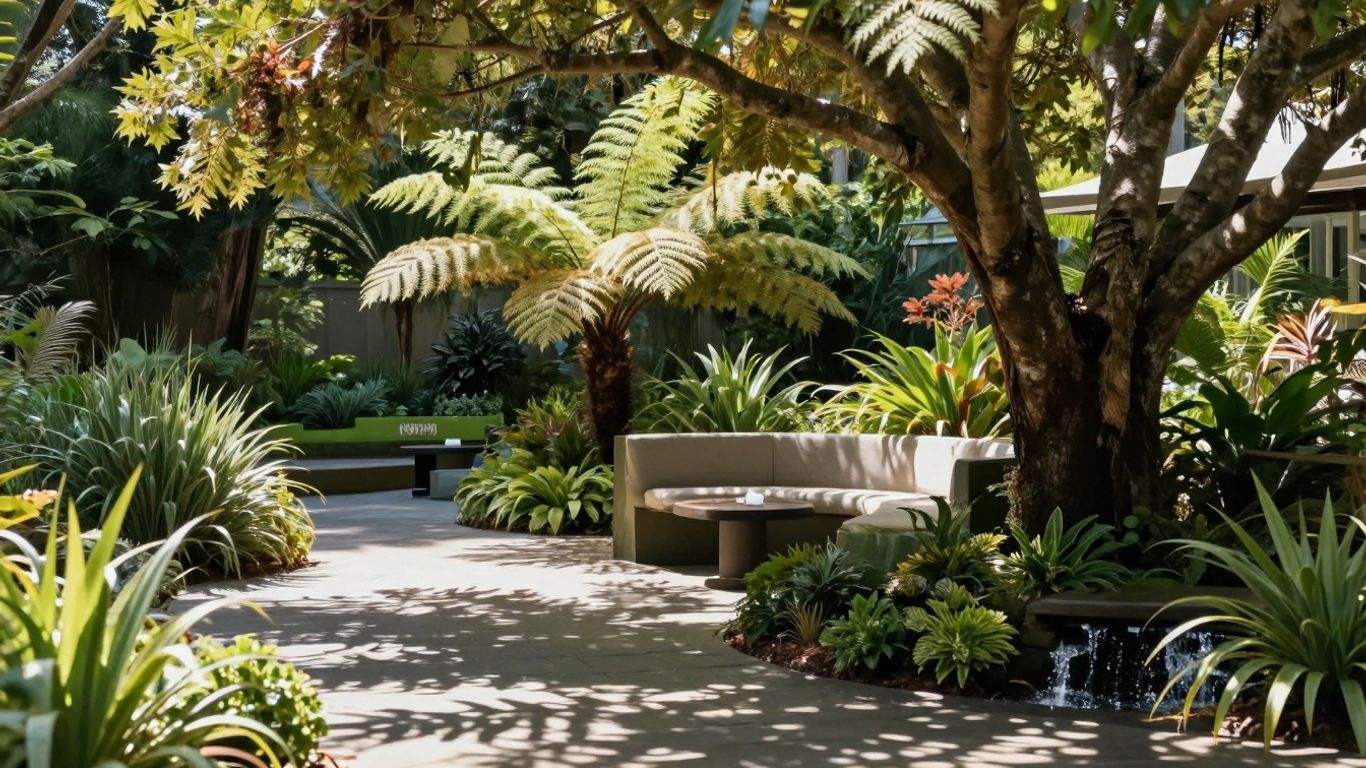
When the sun really starts to bake, our gardens can feel like a bit of a furnace. But you know, with a bit of clever thinking, we can turn those hot spots into lovely, shady retreats. It’s all about making the most of what we’ve got and adding a few things that help keep things a bit cooler for us and our plants.
Shade For You And Your Plants
Trees are the obvious heroes here, aren’t they? Planting a few strategically can make a massive difference. Think about where the sun hits hardest in your garden during the afternoon. A deciduous tree there will give you shade in the summer but let the light through in winter. It’s a win-win!
Don’t forget about smaller plants too. Climbing plants on a trellis or a sturdy pergola can create a lovely dappled shade over a seating area or a patio. It feels so much more inviting when you’re not squinting in the glare.
- Deciduous trees: Great for seasonal shade.
- Climbing plants: Add greenery and shade to structures.
- Shrubs: Can provide shade for smaller plants below.
Cooling Hardscapes And Surfaces
Those paved areas can get seriously hot, can’t they? They soak up the sun all day and then radiate heat back out. We can make smarter choices here. Instead of dark, solid concrete, think about lighter coloured materials. Gravel or permeable pavers are brilliant because they don’t hold as much heat and they let water drain away, which is a bonus.
Using local stone or reclaimed wood for paths and patios also cuts down on the environmental impact. It’s about making surfaces that look good, feel good, and do good for the planet.
We can design our outdoor spaces to be more comfortable and less of a heat trap by choosing materials wisely.
Little Water Features For Big Impact
Even a small water feature can make a surprising difference to the temperature around it. The sound of trickling water is lovely, but it also helps to cool the air through evaporation. You don’t need a huge pond; a simple wall fountain or a small bubbling pot can do the trick.
Think about how a little bit of moisture in the air can make a hot day feel so much more bearable. It’s a simple way to add a bit of magic and a lot of relief to your garden. Plus, it’s great for attracting wildlife too!
Building A Resilient Garden
Right then, let’s talk about making your garden tough enough to handle whatever the weather throws at it. We’re not just talking about pretty flowers anymore; we’re building a garden that can bounce back, whether it’s a scorching heatwave or a sudden downpour.
Healthy Soil, Happy Garden
Think of your soil as the engine of your garden. If it’s healthy, everything else runs much smoother. Good soil holds onto water like a sponge, which is a lifesaver when it’s dry, and it also helps keep your plants from getting too stressed when it’s hot.
- Feed it well: Chuck in plenty of compost and mulch. This organic stuff is like a superfood for your soil, making it richer and better at holding moisture.
- Don’t compact it: Try not to walk all over it when it’s wet, and avoid heavy machinery if you can. Compacted soil makes it hard for water to get in and for roots to grow.
- Let it breathe: Cover crops or ground cover plants can stop the soil from drying out and blowing away, especially on slopes.
Healthy soil isn’t just about plants; it’s a whole little world of bugs and microbes that keep everything ticking over naturally. It’s the foundation for a garden that can cope.
Designing For Storms And Wind
We’ve all seen those gardens that get battered by strong winds or flooded after a big rain. We can design ours to be a bit more prepared.
- Slow down the water: If you have slopes, think about terraces or shallow ditches (swales) to catch the rain and let it soak in, rather than just rushing off.
- Hold the soil: On banks, deep-rooted plants and ground cover are your best friends for stopping the soil from washing away.
- Windbreaks: Planting a few trees or a dense hedge can act as a shield, protecting more delicate plants from strong gusts.
Keeping An Eye On Things: Adaptive Care
This is all about being a bit more observant and less reactive. Instead of just fixing problems when they pop up, we’re trying to prevent them.
- Watch and learn: Get to know your garden’s little spots – where the sun hits hardest, where the water pools. This helps you place plants where they’ll be happiest.
- Water smart: Water early in the morning or late in the evening to stop water from evaporating too quickly. Check if your plants actually need watering before you turn on the hose.
- Regular check-ups: Just like a car service, a quick look around your garden, especially after bad weather, can catch small issues before they become big headaches. Pruning at the right time also keeps plants strong and healthy.
Gardens That Give Back To Nature
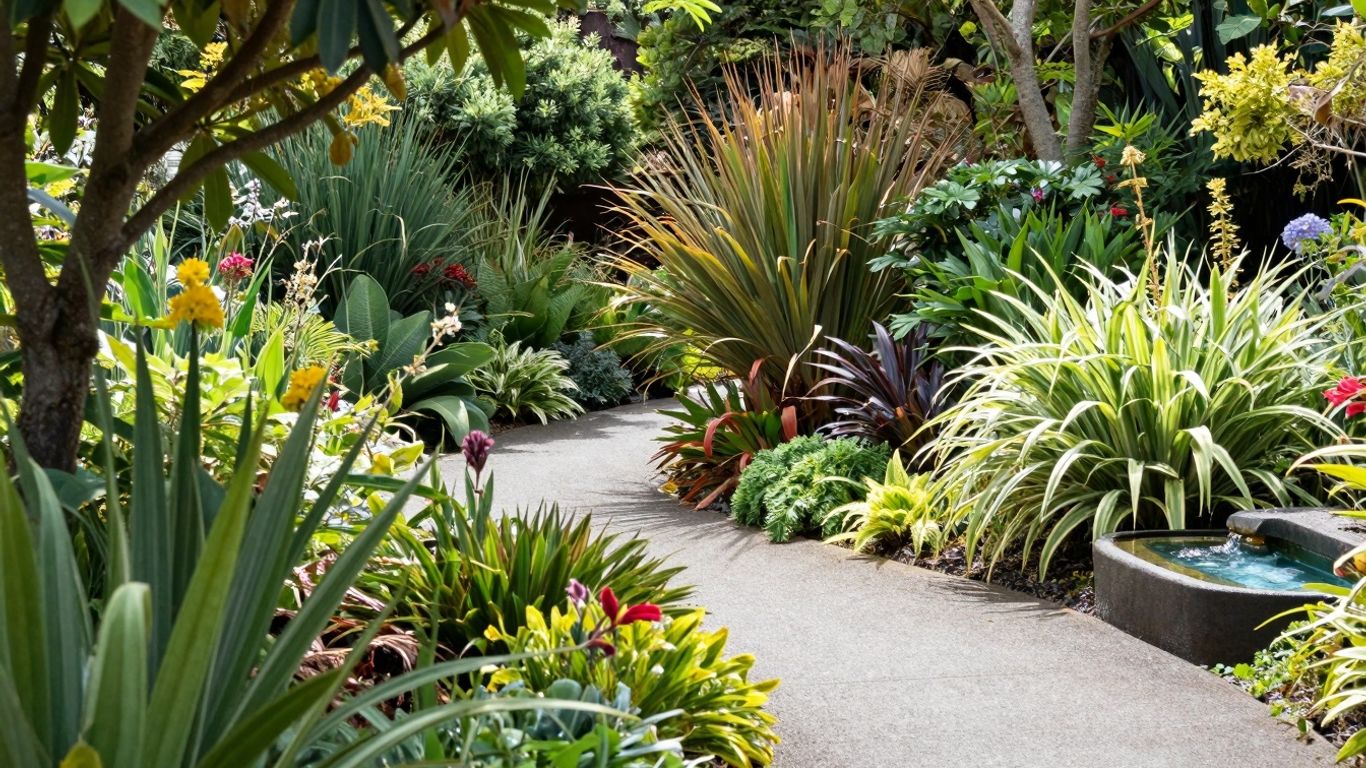
It’s not just about making your garden look good for you; it’s also about making it a welcoming place for the local wildlife and the wider environment. Think of your garden as a little ecosystem that can help out.
Welcoming Wildlife to Our Gardens
Making your garden a haven for birds, bees, and other critters is easier than you might think. Planting a variety of native species is the best way to start, as they provide the food and shelter local wildlife are used to. Consider adding a small water source, like a bird bath or a shallow dish of water with some pebbles for insects to land on. Even a small patch of wildflowers can make a big difference.
Here are a few ideas to get you started:
- Nectar-rich flowers: Think lavender, buddleia, or sunflowers. These are magnets for bees and butterflies.
- Berry-producing shrubs: Holly, rowan, or hawthorn offer food for birds, especially in autumn and winter.
- Hedgehog houses or bug hotels: Simple structures can provide safe places for smaller creatures to shelter.
Creating a garden that supports wildlife doesn’t mean sacrificing beauty. In fact, a garden buzzing with life is often more vibrant and interesting.
Making Our Neighbourhoods Greener Together
Your garden doesn’t exist in isolation. By making eco-friendly choices, you’re contributing to a healthier local environment. This could mean reducing the amount of lawn you have, which often needs a lot of water and upkeep, and replacing it with more diverse planting. You might also think about how your garden connects with your neighbours’ spaces. Perhaps you could plant a hedge that acts as a corridor for wildlife, or even start a community garden project.
Reducing chemical use in your garden is another big win. Pesticides and herbicides can harm beneficial insects and soil life. By opting for natural pest control methods and healthy soil practices, you’re creating a safer space for everyone. It’s all about working with nature, not against it, to create a healthier environment for us all.
So, what’s next for your garden?
Right then, we’ve chatted a fair bit about making your garden a bit tougher against all this weird weather we’re having. It might sound like a lot, but honestly, you don’t have to do it all at once. Start small, maybe with a few drought-loving plants or figuring out how to catch some of that rainwater. Even little changes can make a big difference, not just for your plants, but for you too – less watering, less fussing. Think of it as giving your garden a bit of a helping hand so it can look good and do its thing, even when it’s scorching hot or chucking it down. It’s all about making your patch a bit more resilient, and that’s a good thing for everyone, isn’t it?