Building wrap plays a crucial role in modern construction, acting as a protective barrier against the elements. Understanding its importance is vital for maintaining the integrity of your home or building.
Proper maintenance and regular inspections of building wrap are essential for ensuring its longevity and performance. In this article, we will explore the significance of maintaining your building wrap, the benefits of regular inspections, and the common issues that can arise from neglect.
Overview of Building Wrap
Definition and Purpose of Building Wrap
Building wrap is a synthetic material installed on the exterior of a building, serving as a protective layer beneath the cladding. Its primary purpose is to prevent moisture infiltration while allowing vapour to escape, thereby helping to maintain a healthy indoor environment.
Importance of Maintenance and Inspection
Maintaining your building wrap is crucial to ensure it functions as intended. Regular inspections can help identify potential problems before they escalate, saving you time and money in the long run.
Benefits of Regular Inspections and Maintenance
- Preventing Damage: Regular checks help catch wear and tear early, preventing significant damage to the underlying structure.
- Improving Energy Efficiency: Well-maintained building wrap contributes to better insulation, reducing energy bills.
- Extending Lifespan: Routine maintenance can prolong the lifespan of your building wrap, avoiding the need for premature replacements.
Common Issues That Can Arise from Neglect
Neglecting the maintenance of building wrap can lead to various problems, including moisture penetration, structural damage, and increased energy costs.
Understanding Building Wrap
Types of Building Wrap
There are several types of building wrap available on the market. It’s important to differentiate between house wrap and building wrap. House wrap is specifically designed for residential buildings, while building wrap can be used in both residential and commercial constructions.
Different Materials Used in Building Wrap
Building wraps can be made from various materials, including polyethylene, polypropylene, and fibreglass. Each material has unique properties that contribute to its effectiveness as a moisture and air barrier.
Functions of Building Wrap
- Moisture Barrier: Building wrap prevents water from entering the walls while allowing vapour to escape, reducing the risk of mould and rot.
- Air Barrier: It helps to prevent air leaks, enhancing the energy efficiency of the building.
- Insulation Contribution: While building wrap itself isn’t an insulator, it works in conjunction with insulation materials to improve overall thermal performance.
Signs of Wear and Damage
Visual Indicators
When inspecting your building wrap, look for the following visual signs of wear:
- Tears and Holes: These can allow moisture to infiltrate the structure.
- Discoloration or Fading: This may indicate prolonged exposure to UV rays or moisture.
- Bubbles or Blisters: These can develop due to trapped moisture and should be addressed immediately.
Performance Indicators
In addition to visual signs, consider these performance indicators:
- Increased Energy Bills: A rise in heating or cooling costs may indicate air leaks due to damaged building wrap.
- Mould Growth or Musty Smells: These can be signs of moisture infiltration.
- Water Stains Inside the Building: Stains on walls or ceilings may indicate leaks from the exterior.
Routine Inspection Guidelines
Frequency of Inspections
Inspecting your building wrap regularly is essential. Recommended schedules include:
- Seasonal Inspections: Check at the beginning of each season.
- Bi-annual Inspections: A thorough check every six months can catch issues early.
- After Extreme Weather Events: Always inspect following heavy rains or storms.
Tools Needed for Inspection
Before starting an inspection, gather the following tools:
- Basic Tools: A ladder, flashlight, and moisture meter are essential for thorough checks.
- Safety Gear: Use gloves and goggles for protection during the inspection.
Inspection Process
Follow this step-by-step guide to inspect your building wrap:
- Visual Inspection: Start from the ground up, looking for any visible damage.
- Check Corners and Seams: These areas are prone to wear and should be closely examined.
- Inspect Penetrations: Look around windows, doors, and other openings for signs of damage or wear.
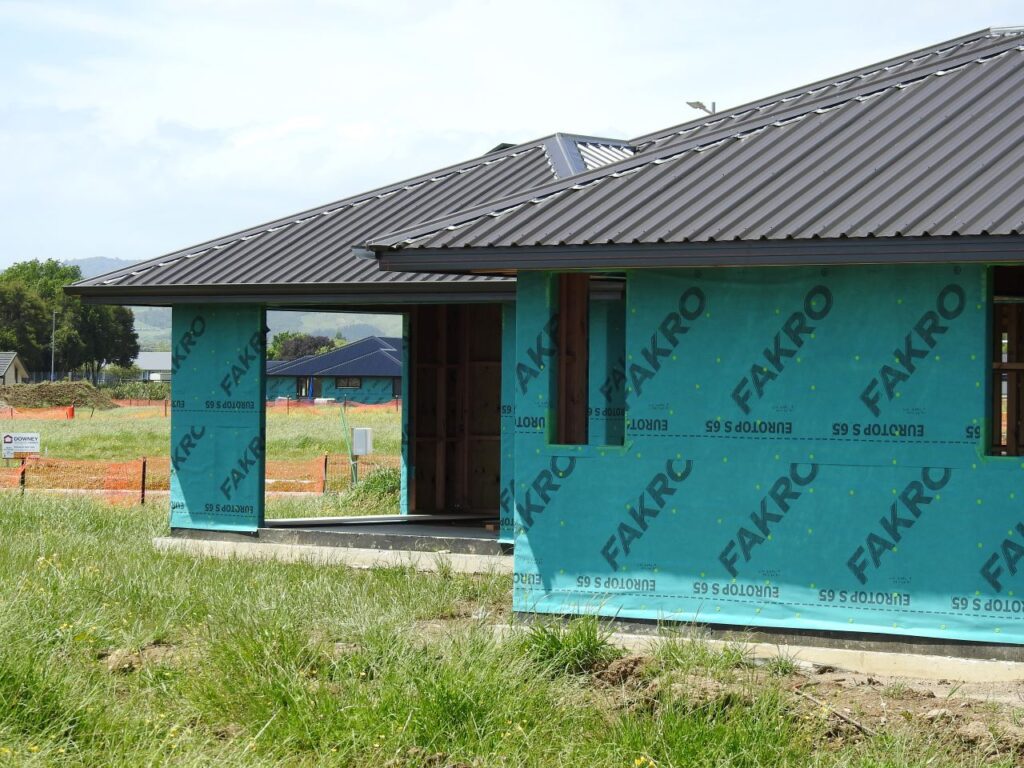
Maintenance Practices
Cleaning the Building Wrap
To ensure optimal performance, clean your building wrap regularly. Recommended cleaning methods include:
- Using Mild Detergents: A gentle soap mixed with water can be effective.
- Frequency of Cleaning: Clean as needed, typically at least once a year or after significant dirt accumulation.
Repairing Minor Damage
For minor damage, follow these guidelines:
- Patching Small Tears or Holes: Use weather-resistant tape or adhesive patches designed for building wraps.
- Recommended Materials for Repairs: Ensure you use products that are compatible with the existing building wrap material.
Professional Maintenance Services
Consider hiring a professional for inspections and repairs in certain situations:
- When to Hire a Professional: If you notice significant damage or if your building wrap is more than ten years old, it may be time to call in an expert.
- What to Expect from Professional Services: Professionals will conduct a thorough inspection, assess damage, and provide repair solutions.
Long-term Care Tips
Preventive Measures
To maintain the integrity of your building wrap, consider these preventive measures:
- Proper Installation Practices: Ensure that building wrap is installed correctly to avoid issues later on.
- Importance of Proper Ventilation: Adequate ventilation reduces moisture buildup, prolonging the life of your building wrap.
Upgrades and Replacements
Sometimes, a full replacement of building wrap may be necessary. Signs to watch for include:
- Severe Damage: If extensive repairs are needed, consider replacing the building wrap.
- Choosing High-Quality Building Wrap for Future Projects: Opt for high-performance materials that meet New Zealand’s building standards.
Conclusion
Maintaining and inspecting your building wrap is essential for ensuring the longevity and performance of your home. Regular inspections can prevent significant damage and contribute to energy efficiency. By following the guidelines provided in this article, homeowners can ensure their building wrap continues to protect their property effectively. Make a habit of conducting routine checks and don’t hesitate to seek professional help when needed.