Understanding How Christchurch’s Weather Affects Sliding Gates
The Impact of Canterbury’s Cold Winters on Gate Components
Christchurch’s winter climate places unique demands on sliding gate systems. Cold temperatures, morning frosts and occasional snowfall can cause metal components to contract, leading to stiffness in tracks, rollers and hinges.
Moisture freezes inside small gaps, creating friction that makes the gate struggle during opening and closing. Automated systems can also experience strain because motors work harder against icy resistance. Over time, this stress can wear out motors, reduce roller lifespan and cause alignment issues.
For homeowners, recognising how winter temperatures affect gate mechanics is the first step in adopting maintenance habits that keep the system operating smoothly all year.
How Coastal Air and Moisture Influence Metal Sliding Gates
Christchurch’s proximity to the coast brings a higher level of moisture and salt exposure. Even inland suburbs can experience salt-laden winds during certain weather patterns. This environment increases the risk of corrosion on metal sliding gates, tracks, brackets and motor casings. Salt accelerates rusting, especially on unprotected or ageing surfaces.
Moisture also gathers on gate frames overnight, gradually penetrating small scratches or weaknesses in coatings. Without preventative care, these environmental factors reduce structural strength, affect movement and shorten the overall lifespan of the gate. Regular inspection and protective coatings become essential for continued reliability.
Common Weather-Related Issues Christchurch Homeowners Face
Homeowners across Christchurch commonly experience weather-related gate issues such as noisy operation, stiff or slow movement, rust spots, misaligned rollers and track blockages. Wind-blown debris can accumulate around the base, especially after storms or during autumn.
Wet weather can cause wooden gates to swell or expand, while metal gates may collect condensation that leads to corrosion. Electrical components are also vulnerable to moisture ingress, particularly in older systems. Because Christchurch’s climate fluctuates between wet, frosty and dry seasons, sliding gates must be maintained with all weather conditions in mind.
Routine Maintenance Tasks for Sliding Gates in Christchurch
Cleaning Tracks and Wheels to Prevent Weather-Related Build-Up
The track is one of the most important components for smooth gate movement, but it’s also the most exposed to Christchurch’s weather. Rain, wind and seasonal debris deposit dirt, stones, leaves and silt into the track. If not cleaned regularly, these blockages make the gate jerk or stall.
Cleaning the track using a stiff brush and removing debris ensures the wheels glide properly. It’s also helpful to rinse the area occasionally to flush out fine dust and grit. By keeping the track clear, homeowners protect the gate from unnecessary strain and prolong the lifespan of rollers and motor systems.
Lubricating Moving Parts for Smooth Operation Year-Round
Sliding gates rely on a variety of moving parts, including rollers, hinges, bearings and guide brackets. Lubrication helps these components operate smoothly, especially during winter when metal contracts and increases friction. Using a silicone-based or graphite lubricant prevents sticky build-up while offering reliable protection from moisture.
Regular lubrication reduces wear, minimises noise and helps the gate move freely despite temperature fluctuations. This simple routine task is one of the most effective ways to prevent weather-related performance issues.
Inspecting Motors and Electrical Components After Wet Weather
Christchurch’s rainfall can be heavy at times, and electrical components can suffer damage if moisture gets inside housings or wiring. After periods of rain or frost, it’s wise to inspect the motor casing, control board housing, wiring conduits and any exposed connectors. Look for signs of moisture, rust or condensation.
Keeping electrical systems dry ensures reliable automation and prevents costly repairs. If moisture is found inside a motor enclosure, drying and resealing should be carried out promptly to prevent further damage.
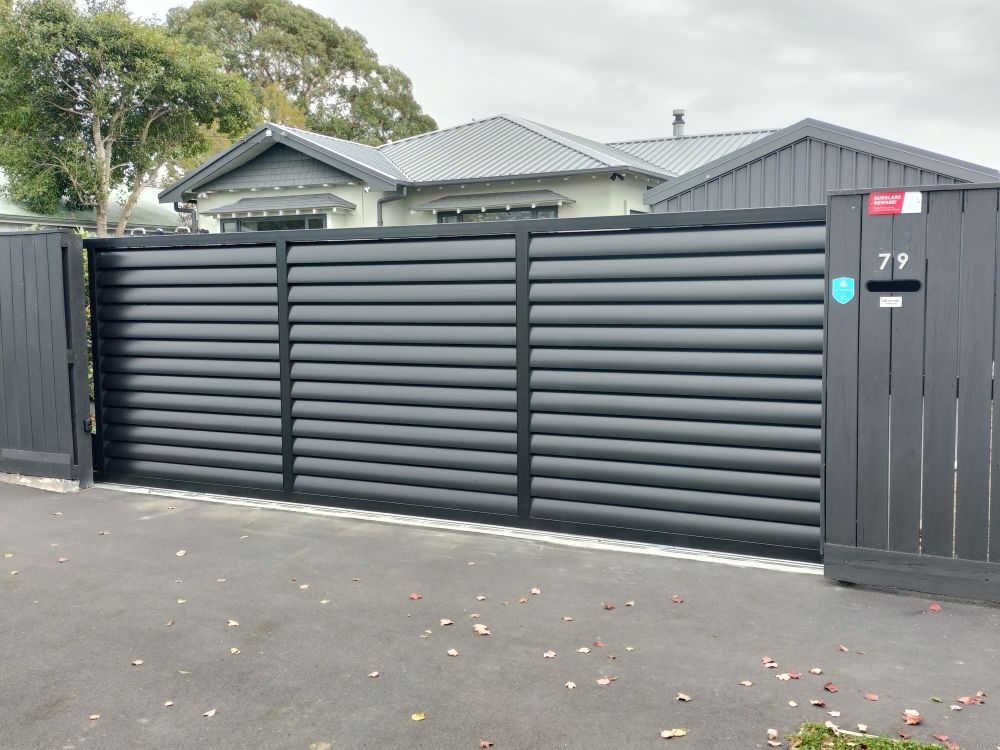
Protecting Sliding Gates From Moisture and Corrosion
Rust Prevention Techniques for Metal Sliding Gates
Rust is one of the biggest threats to metal sliding gates in Christchurch’s coastal climate. Preventative measures include applying rust-inhibiting primers, repainting scratched areas, and treating exposed surfaces with anti-corrosion sprays.
Gates should be inspected regularly for discolouration, bubbling paint or small rust patches. Early intervention prevents minor rust from developing into structural deterioration. Galvanised steel offers inherent protection, but even galvanised surfaces can eventually corrode without proper upkeep.
Weatherproof Coatings and Sealants Suitable for Christchurch Conditions
Weatherproof coatings provide long-lasting protection by sealing metal surfaces against moisture and salt exposure. Polyurethane paints, powder coatings and marine-grade sealants are popular choices for Christchurch properties.
These coatings create a durable barrier that resists chipping and reduces the need for frequent repainting. Applying protective coatings every few years helps sliding gates stand up to the city’s varied weather conditions.
Managing Drainage Around the Gate Track During Heavy Rain
Poor drainage around the track can lead to water pooling, mud build-up and long-term corrosion. Ensuring proper water flow away from the track prevents silt accumulation and reduces the likelihood of rust forming beneath the gate.
Installing small drainage channels, clearing nearby gutters and ensuring the ground does not slope toward the track can significantly improve water management. Good drainage is especially important during Christchurch’s heavy rainfall periods.
Maintaining Automated Sliding Gates in Variable Christchurch Weather
Checking Sensors and Safety Systems in Damp Conditions
Automation systems rely on sensors to detect obstacles and ensure safe operation. Moisture, dew and frost can interfere with these sensors, causing them to misread or fail. Regularly cleaning sensor surfaces and checking alignment ensures they operate reliably. If sensors are fogged or producing inconsistent readings, they may need drying or recalibration.
Protecting Gate Motors From Frost and Excess Moisture
Gate motors must be shielded from Christchurch’s winter conditions. Frost and moisture can stiffen internal gears or affect electrical circuits. Ensuring motor housings are properly sealed and elevated off the ground helps prevent moisture damage. In frost-prone areas, insulating covers or weatherproof motor boxes add an extra layer of protection.
Ensuring Power Supply Stability During Winter and Storm Events
During storms or in areas prone to outages, automated gate systems can lose power unexpectedly. Checking wiring integrity, replacing old cables and ensuring components are securely mounted helps maintain power reliability. Backup battery units are recommended for uninterrupted operation during outages, especially for households relying on the gate as their main security barrier.
Seasonal Maintenance Checklist for Christchurch Sliding Gates
Winter Preparation Tips for Smooth Gate Operation
Entering winter with a properly maintained gate reduces the risk of freezing, stiffness or motor strain. Lubrication, rust treatment and electrical inspections should be completed before temperatures drop. This preparation helps prevent cold-weather failures and prolongs component life.
Summer and Dry Weather Maintenance for Dust and Debris
Christchurch’s dry periods bring dust, pollen and fine grit that can accumulate in tracks and rollers. Summer maintenance should focus on cleaning debris, checking coatings for UV damage and ensuring the gate moves freely without grinding or friction.
Autumn Checks to Prevent Blockages From Leaves and Silt
Autumn can quickly clog sliding gate tracks with leaves, twigs and silt. Regular clearing during this season prevents operational issues and protects rollers and motors from unnecessary strain. It’s also a good time to inspect coatings before winter moisture arrives.
When to Repair or Replace Sliding Gate Components
Recognising Early Signs of Weather Damage
Common early warning signs include noisy movement, resistance during operation, slow automation response, rust patches, sagging alignment or sensor malfunctions. Addressing these issues early prevents larger failures and reduces repair costs.
Components Most Affected by Christchurch’s Climate
Tracks, rollers, brackets, wiring, motor housings and exposed metal surfaces are the most vulnerable parts. These components face constant exposure to moisture, temperature shifts and debris. Inspecting them regularly ensures long-term performance.
When Professional Servicing Becomes Necessary
If the gate becomes difficult to slide, the automation system behaves inconsistently or rust has spread extensively, professional servicing is recommended. Specialists can realign the gate, service the motor, replace worn components and apply protective treatments that ensure ongoing reliability.
Final Thoughts on Maintaining Sliding Gates in Christchurch’s Climate
Maintaining sliding gates in Christchurch requires regular upkeep tailored to local weather conditions. With consistent cleaning, proper lubrication, corrosion prevention and seasonal checks, homeowners can protect their gate systems from moisture, frost and debris.
These practices ensure smooth operation, extend component lifespan and maintain the security and convenience that sliding gates provide throughout the year.