You know, that feeling when you see a weird stain on the ceiling or notice your water bill has shot up for no reason? It’s easy to brush it off, but it could be a sign of hidden leaks lurking in your home. These sneaky leaks can cause a fair bit of damage if you don’t catch them early. Let’s talk about how you can spot these hidden culprits before they turn into a much bigger, more expensive problem.
Key Takeaways
- Keep an eye on your water bill. A sudden, unexplained jump is often the first clue that something’s not right with your plumbing.
- Do the water meter test: turn off all water, check the meter, wait, and check again. If it’s moved, you’ve got a leak somewhere.
- Look for visual signs like water stains, peeling paint, or even sagging bits on your walls and ceilings. These are pretty clear indicators.
- Listen carefully for unusual sounds like dripping or running water when you know everything is turned off. Your ears can be a great leak detector.
- Don’t mess around if you suspect a hidden leak. Getting a professional to check it out quickly can save you a lot of hassle and money down the track.
Spotting Hidden Leaks: Your Home’s Early Warning System
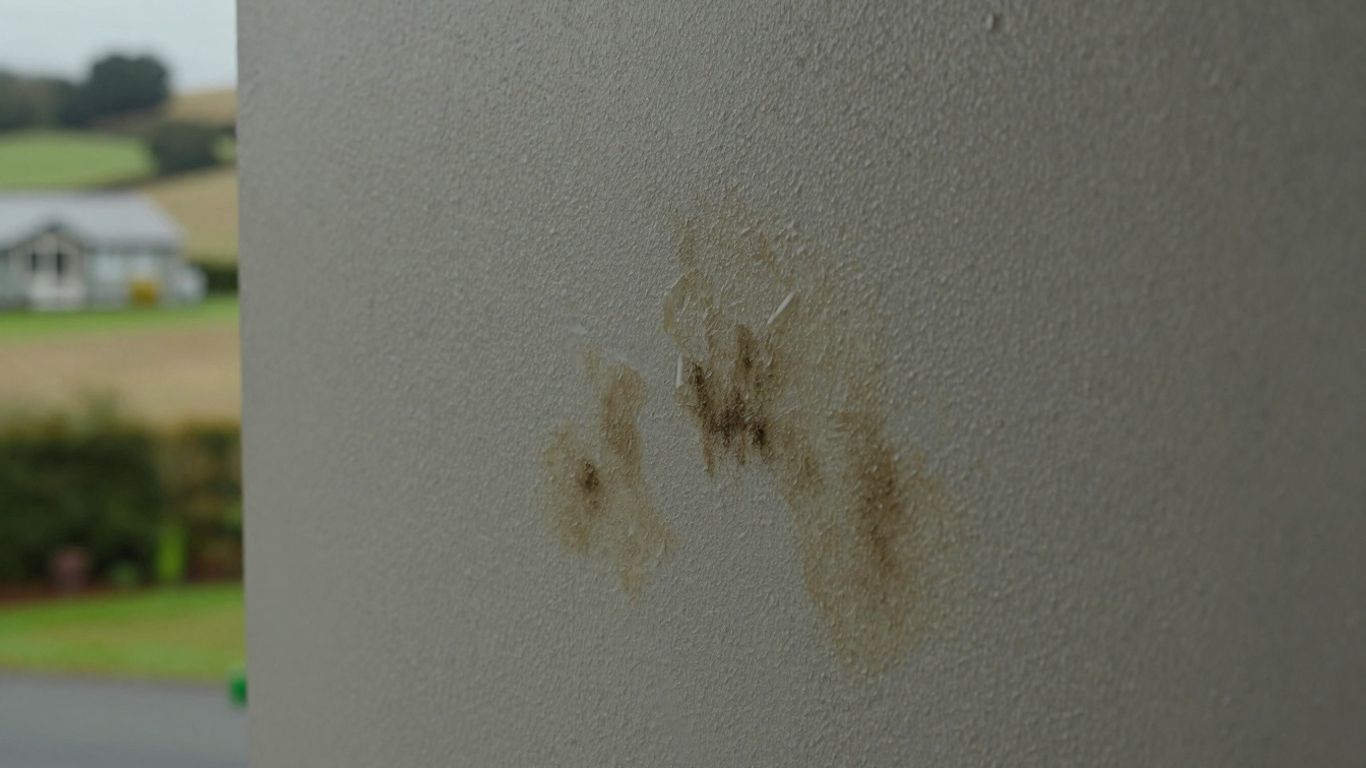
Right then, let’s talk about those sneaky leaks that love to hide. You know, the ones that don’t drip from the tap but are quietly causing mischief behind your walls or under the floorboards. It’s a bit like having a tiny, persistent drip in your pocket – you don’t notice it at first, but soon enough, your wallet feels a lot lighter. These hidden culprits are the real troublemakers because they can go unnoticed for ages, leading to bigger problems down the line. But don’t you worry, your home has its own set of early warning signs, and we’re going to learn how to read them together.
The Unseen Culprit: Why Hidden Leaks Are So Sneaky
Honestly, it’s the silence that makes them so unnerving. Unlike a leaky tap that announces itself with a constant drip, drip, drip, these hidden leaks are masters of disguise. They might be a tiny pinhole in a pipe tucked away in a wall cavity, or a slow seep from a fitting under the floor. Because you can’t see them, they have all the time in the world to do their damage – think mould starting to grow, plaster getting damp, or even the structure of your house getting a bit wobbly. It’s the slow and steady wins the race, but in this case, it’s a race against your home’s well-being.
Your Water Bill: The First Clue to a Hidden Leak
Now, this is a classic. Have you noticed your water bill creeping up lately, even though you’re pretty sure you haven’t been using any more water? Maybe you’ve had more baths, or the kids have been having longer showers, but even then, a sudden, unexplained jump is a big red flag. It’s like your meter’s been having a secret party when you weren’t looking. Keep an eye on those bills; they’re often the first to tell you something’s not quite right with your plumbing.
The Water Meter Test: A Simple Check for Hidden Leaks
This is a cracking little test you can do yourself, and it’s surprisingly effective. First off, make sure every single tap in the house is turned off – no washing machines running, no dishwashers on, and no flushing toilets. Then, find your water meter. It’s usually out in the garden or near the front of the house. Jot down the reading, or if it has a little dial, watch that. Now, the tricky part: don’t use any water for a couple of hours. Go back and check the meter again. If that reading has changed at all, even a tiny bit, then you’ve got a leak somewhere. It doesn’t tell you where it is, but it confirms that water is escaping when it shouldn’t be.
Remember, catching a leak early is always easier and cheaper than fixing the mess it leaves behind. Think of these checks as a quick health scan for your home’s plumbing system.
Visual Clues That Point to Hidden Leaks
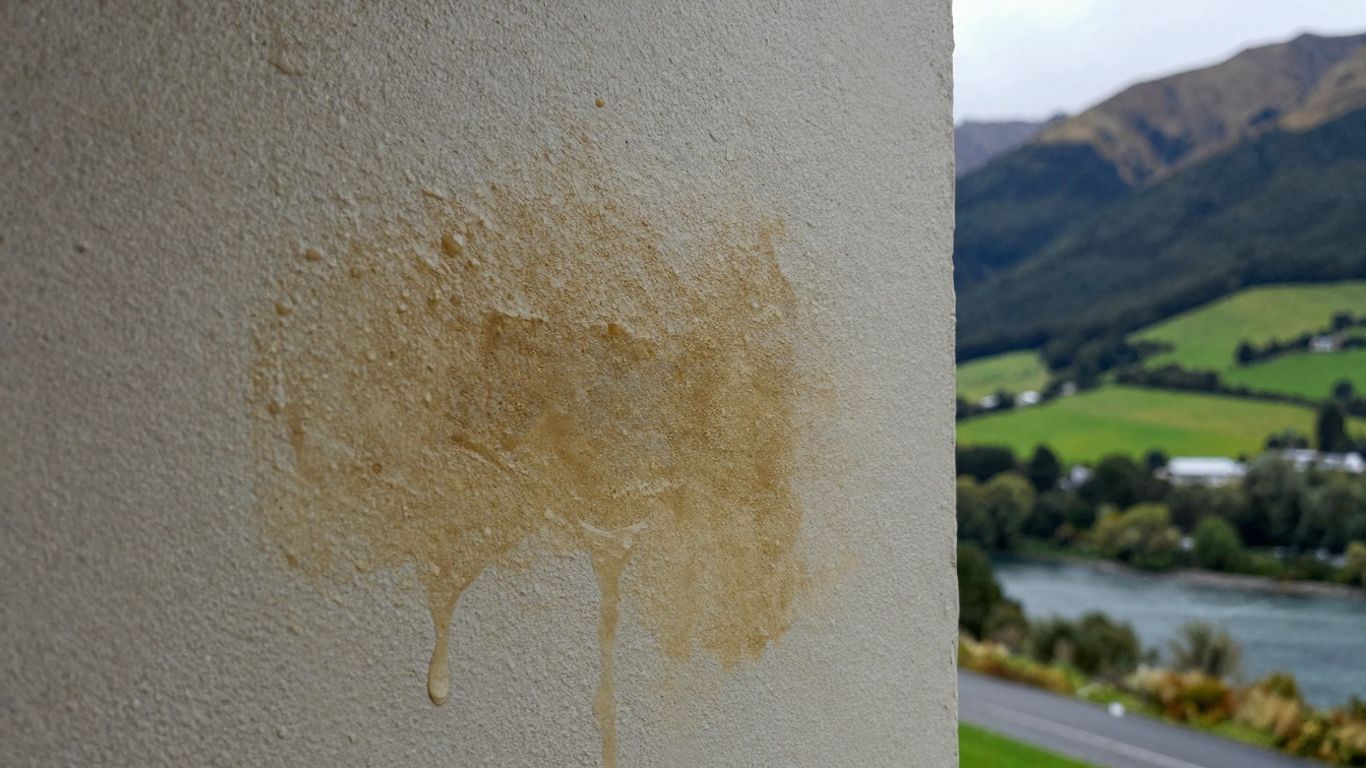
Sometimes, your house will give you a bit of a heads-up about a hidden leak, you just need to know what to look for. It’s not always a big gushing pipe; often, it’s the little things that start to show up.
Stains and Discolouration on Walls and Ceilings
Ever noticed a weird, brownish or yellowish patch on your ceiling or wall that wasn’t there before? That’s often a sign that water has been seeping through. These stains can start small but get bigger and darker as the leak continues. It’s like a water stain ‘map’ showing you where the problem might be. Keep an eye on them, especially in areas where you know pipes run, like bathrooms or kitchens.
Peeling Paint and Bubbling Wallpaper
If the paint on your walls is starting to bubble up, or your wallpaper is looking a bit loose and wrinkly, water could be the culprit. When moisture gets behind the paint or paper, it can cause it to lose its stick and start to peel away. It’s a pretty clear visual cue that something’s not right behind that surface. You might see this happen near windows or in corners where dampness can gather. This is a common sign that you might need to look into plumbing repairs.
Warped or Sagging Walls and Ceilings
This is a more serious sign, but definitely one to watch out for. If you notice parts of your walls or ceiling starting to sag or look like they’re bowing inwards, it means they’re likely getting waterlogged. Drywall, in particular, can get heavy and start to droop when it’s soaked. You might also notice your flooring starting to warp or feel soft underfoot, which suggests water is getting underneath it. It’s a bit like your house telling you it’s feeling a bit under the weather.
Don’t ignore these visual signs. They’re your home’s way of shouting for attention before a small issue becomes a big, expensive problem. A little bit of dampness can lead to mould and even structural damage if left unchecked.
Unusual Smells and Sounds of Hidden Leaks
Sometimes, your nose or ears can pick up on a problem before you see any damage. It’s like your house is trying to tell you something’s up!
That Musty Smell: A Sign of Hidden Moisture
Ever walk into a room and get hit with a damp, earthy smell that you just can’t place? That’s often the first sign that mould or mildew is starting to grow, and it usually means there’s trapped moisture somewhere. Leaks hidden away in walls or under floorboards create the perfect damp environment for these little nasties to get going. Don’t just mask the smell; try to find its source. It could be a slow drip from a pipe that’s been going on for ages, slowly soaking into the building materials. If you’ve noticed this smell, it’s worth having a good sniff around, especially in less-visited areas like cupboards or behind furniture.
Listening for the Sound of Trouble
Beyond smells, your ears can be a great detective too. If you’re in a quiet part of the house, maybe late at night, and you hear a faint dripping or trickling sound when you know all the taps are off and the dishwasher isn’t running, that’s a big clue. It might sound like a tiny stream, but it’s water escaping where it shouldn’t be. This could be a sign of a leak in your plumbing system or a faulty seal somewhere. Try to pinpoint where the sound is coming from – is it in a specific wall, or perhaps coming from the floor above or below? Sometimes, a persistent hissing sound can also indicate a leak, especially if it’s coming from a pipe under pressure.
Checking Floors and Fixtures for Hidden Leaks
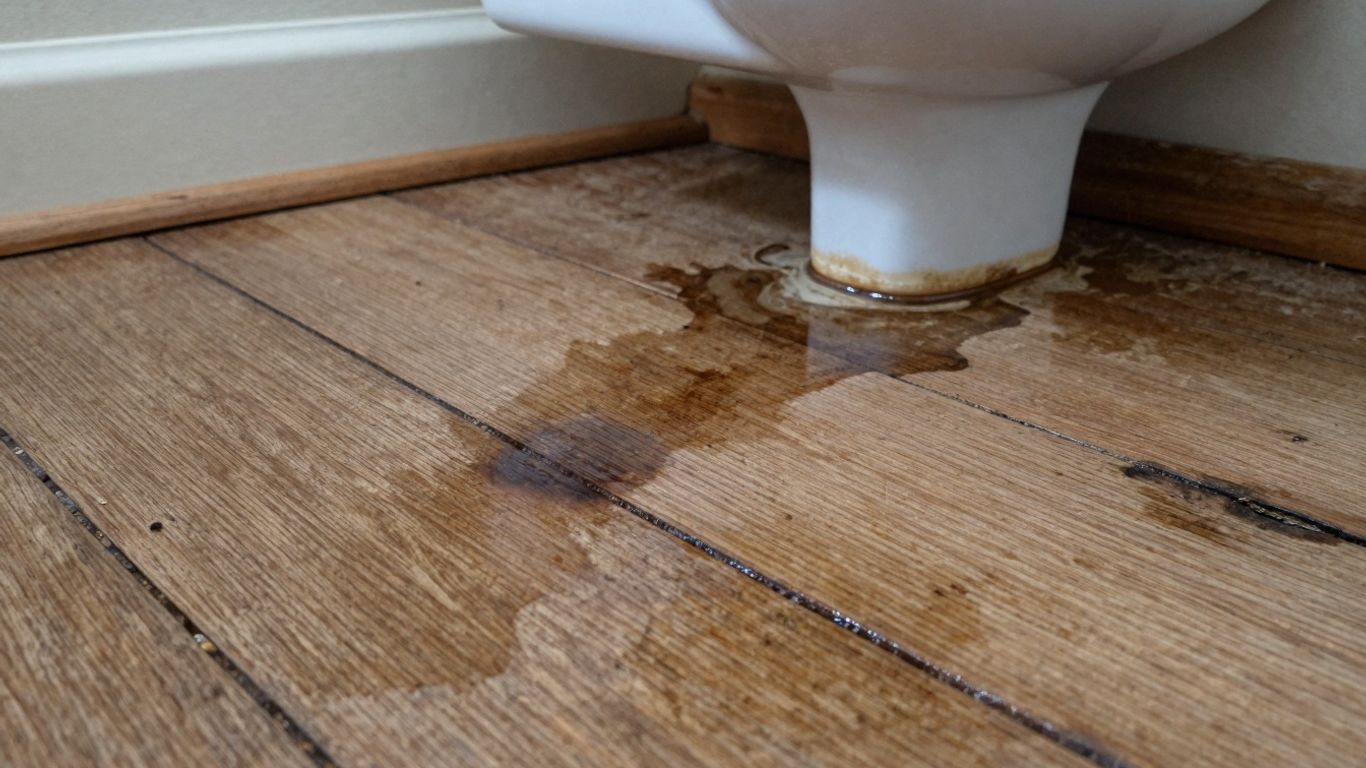
Sometimes, the first signs of a leak aren’t on your walls or ceilings, but right under your feet or around your everyday fixtures. You’ve got to keep an eye on these spots, as they can tell you a lot about what’s going on behind the scenes.
Warped or Soft Flooring: A Damp Warning
Your floors can be a bit of a giveaway. If you’ve got wooden floorboards, keep an eye out for any signs of warping or buckling. This usually means moisture has been sitting underneath them for a while. It’s not just wood, either. If you have carpet, does it feel a bit spongy or damp underfoot, even when it hasn’t rained or you haven’t spilled anything? That’s a definite red flag that something’s not right. Don’t just ignore that squishy feeling; it’s your floor telling you it’s soaked.
Toilet Tank Trick: Catching Slow Leaks
Toilets are notorious for developing slow leaks that you might not even notice. The water can just keep trickling from the tank into the bowl without you flushing. It’s a real waste of water and can add up. A simple way to check this is with a bit of food colouring. Just pop a few drops into your toilet tank. Then, leave it for a good hour or so, or even overnight. If you see that colour appear in the toilet bowl without having flushed, you’ve got a leak. It’s a straightforward test that can save you a fair bit of water and hassle. It’s worth doing this every so often, especially if you have an older toilet or notice your water bill creeping up. Checking your water heater connections is also a good idea, as these can sometimes spring leaks too.
It’s easy to overlook the small things when you’re busy, but these little checks around your home can save you a massive headache down the line. Think of it as a quick health check for your house.
Other places to look include around the base of your shower or bath, and under sinks where pipes connect. Even a small drip from a fixture can lead to dampness that spreads. If you notice any persistent dampness, discolouration, or even a faint musty smell around these areas, it’s time to investigate further.
When to Call in the Experts for Hidden Leaks
Don’t Delay: The Importance of Prompt Action
Right then, you’ve done your detective work, spotted some suspicious signs, and maybe even confirmed a leak. It’s easy to think, ‘Oh, I’ll get to that later,’ especially if it’s not gushing water everywhere. But honestly, putting off a leak, even a small one, is like ignoring a tiny crack in your windscreen – it just tends to get worse and a lot more expensive to sort out.
The longer you leave a hidden leak, the more damage it can do. We’re talking about mould taking hold, which isn’t good for your health or your home’s structure. Plus, those little drips can weaken floorboards, plaster, and even the very bones of your house. It’s always better to get it sorted sooner rather than later, trust me on this one.
Think of it this way: a quick call to a professional now could save you a massive headache and a hefty bill down the line. It’s about protecting your home and keeping your family safe and sound.
Professional Help for Hidden Leaks
So, you’ve tried the water meter test, you’ve seen the tell-tale stains, and you’re pretty sure there’s a leak lurking. While it’s great you’re being proactive, some leaks are just too tricky to tackle yourself. That’s where the pros come in.
Plumbers have got all sorts of clever gadgets that we don’t have lying around the house. They use things like moisture meters, thermal imaging cameras (which can see heat differences caused by water), and even acoustic sensors that can literally listen for the sound of dripping water inside your walls. It’s pretty impressive stuff and means they can usually pinpoint the exact spot without having to rip up half your house.
Here’s what you can expect when you call in the cavalry:
- Assessment: They’ll have a good look around, ask you about the signs you’ve noticed, and probably do their own tests.
- Leak Detection: Using their specialised equipment to find the source of the problem.
- Repair: Once found, they’ll fix the pipe or fitting that’s causing the trouble.
- Advice: They can also tell you if there’s any damage that needs further attention, like drying out or dealing with mould.
Don’t be shy about asking for a quote before they start the work. It’s always good to know what you’re looking at cost-wise. And make sure they’re properly insured and qualified – you want someone reliable working on your home, right?
Don’t Let Those Pesky Leaks Get the Better of You!
So there you have it, a few simple ways to keep an eye out for those sneaky water leaks before they turn into a real headache for your home. It’s easy to forget about the pipes tucked away behind the plaster, but a little bit of vigilance goes a long way. If you do spot something that doesn’t seem right, whether it’s a funny smell or a bill that’s gone up for no reason, don’t just ignore it. Give a local plumber a shout – they’re the experts and can sort it out before it causes any real damage. Better safe than sorry, right?