Let’s face it, our fridges and freezers are the unsung heroes of the kitchen, humming away 24/7 to keep our kai fresh. But did you know they’re also some of the biggest energy guzzlers in your home? If your power bill’s been giving you the shivers lately, it might be time to look at your Fridge and Freezer Efficiency. We’re not talking about complicated tech here; often, it’s the simple things that make the biggest difference, saving you money and helping out the planet. So, grab a cuppa, and let’s sort out your chilly appliances.
Key Takeaways
- Getting to know your fridge’s energy star rating is your first step to understanding its running costs. More stars mean less power used, but always compare similar models.
- Regular maintenance, like checking door seals with a torch and cleaning dusty coils at the back, keeps your fridge and freezer working smarter, not harder.
- Simple habits, such as letting hot food cool before storing it and minimising how long the door is open, can significantly cut down on energy waste.
- An old fridge, especially one over 10-15 years, could be costing you a fortune compared to a newer, more efficient model, even a second-hand one.
- Where you put your fridge matters – avoid the garage as it’s often too hot, and always give it space to breathe for better performance.
Understanding Your Fridge’s Energy Star Rating
So, you’re looking at buying a new fridge or freezer, or maybe just trying to figure out if your current one is costing you a bomb? The Energy Star rating is your best mate here. It’s basically a quick way to see how much juice your appliance is likely to guzzle.
Decoding the Stars: What They Really Mean
Think of the stars like a report card for your fridge. More stars mean it’s doing a better job of keeping things cool without using heaps of electricity. The label will show you how many kilowatt-hours (kWh) the fridge is estimated to use in a year. You can even do a quick maths sum with your power tariff to get a rough idea of the annual running cost. For example, if a fridge uses 285kWh a year and your power costs 25 cents per kWh, that’s about $71.25 a year just to run it. It’s a simple way to compare running costs before you even buy.
Comparing Apples with Apples: Fridge vs. Freezer Ratings
It’s a bit like comparing oranges and apples if you just look at the star rating without considering the type of appliance. A fridge-freezer combo, especially one with the freezer on the bottom, usually needs more stars to be considered efficient compared to a fridge that just does the cooling bit. Standalone freezers have to work harder to keep things super frosty, so they often have a slightly lower average star rating than fridges. You’ll see different benchmarks: fridge-freezers often aim for 4.5+ stars, while standalone freezers might be rated well at 3-3.5 stars. Always compare similar types of appliances to get a fair idea.
Here’s a rough guide:
- Fridge-freezer (bottom mount): 5+ stars
- Fridge-freezer (top mount): 4.5+ stars
- French-door fridge-freezer: 5+ stars
- Side-by-side fridge/freezer: 4+ stars
- Fridge only: 5+ stars
- Freezer only: 4+ stars
Spotting an Energy Efficient Fridge in the Shops
When you’re in the store, or even browsing online, keep an eye out for that yellow Energy Rating Label. It’s usually pretty obvious. It’ll show you the star rating and the estimated yearly energy consumption in kWh. Some newer models might even have the total volume listed. If you’re really keen, you can check out energy rating labels for more detailed info. Remember, a higher star rating generally means lower running costs over the life of the appliance, which is a win for your wallet and the planet.
Keeping Your Cool: Essential Fridge and Freezer Maintenance
Right then, let’s talk about keeping your fridge and freezer humming along nicely. It’s not just about chucking food in and forgetting about it, you know. A bit of TLC can make a real difference to how much power these workhorses use, and that’s good for your wallet and the planet.
The Door Seal Check: A Simple Torch Test
First things first, have you ever thought about your door seals? These rubbery bits around the edge are super important for keeping the cold air in. If they’re a bit knackered, all that lovely cold air escapes, and your fridge has to work overtime to make more. It’s a really easy check. Just pop a torch inside your fridge, close the door, and then turn off the lights in the kitchen. Have a good look around the edges of the door. Can you see any light peeking through? If you can, that seal isn’t doing its job properly. You might need to give it a good clean first, as sometimes just a bit of gunk can stop it from sealing properly. If it’s still letting light through after a clean, it might be time to think about replacing it. A good seal is key to optimal performance and longevity.
Dust Bunnies Beware: Cleaning Those Coils
Now, have you ever pulled your fridge out from the wall? If not, you might be surprised by what’s lurking behind it! The condenser coils, usually found at the back or underneath, can get absolutely caked in dust and fluff. Think of them like the radiator for your fridge – they need to be able to release heat. When they’re covered in dust, they can’t do that efficiently. This means your fridge has to work harder, using more energy. To sort this out, just pull the fridge away from the wall (make sure it’s unplugged first, obviously!), and give those coils a good vacuum. Use the brush attachment on your vacuum cleaner – it’s usually the easiest way to get all the dust off without damaging them. Doing this every few months, especially if you have pets or a dusty house, can make a noticeable difference.
Setting the Perfect Temperature for Savings
This is a biggie, and honestly, it’s one of the simplest ways to save energy. Most of us just whack the dial to ‘coldest’ and forget about it, but that’s a waste of power. For your fridge, you want to aim for somewhere between 3°C and 4°C. Any colder than that and you’re just using extra electricity for no real benefit. For the freezer, -18°C is the magic number. Going much colder than that doesn’t really keep your food any better, but it definitely uses more power. It’s worth getting a cheap fridge thermometer to check the actual temperature inside, as the dials aren’t always spot on. You might be surprised what you find! Making these small adjustments can lead to some decent savings over time, and it’s a really easy win.
Keeping your fridge and freezer running efficiently isn’t rocket science. Simple checks and regular cleaning can stop them from guzzling electricity unnecessarily. Think of it like giving your car a regular service – it just runs better and lasts longer.
Here’s a quick rundown of what to aim for:
- Fridge Temperature: 3°C to 4°C
- Freezer Temperature: -18°C
- Door Seals: Check for light leaks
- Coils: Vacuum them regularly
These little bits of maintenance might seem minor, but they all add up to a more efficient appliance and lower power bills. Plus, a well-maintained fridge is less likely to give up the ghost unexpectedly, which is always a bonus!
Smart Habits for Fridge and Freezer Efficiency
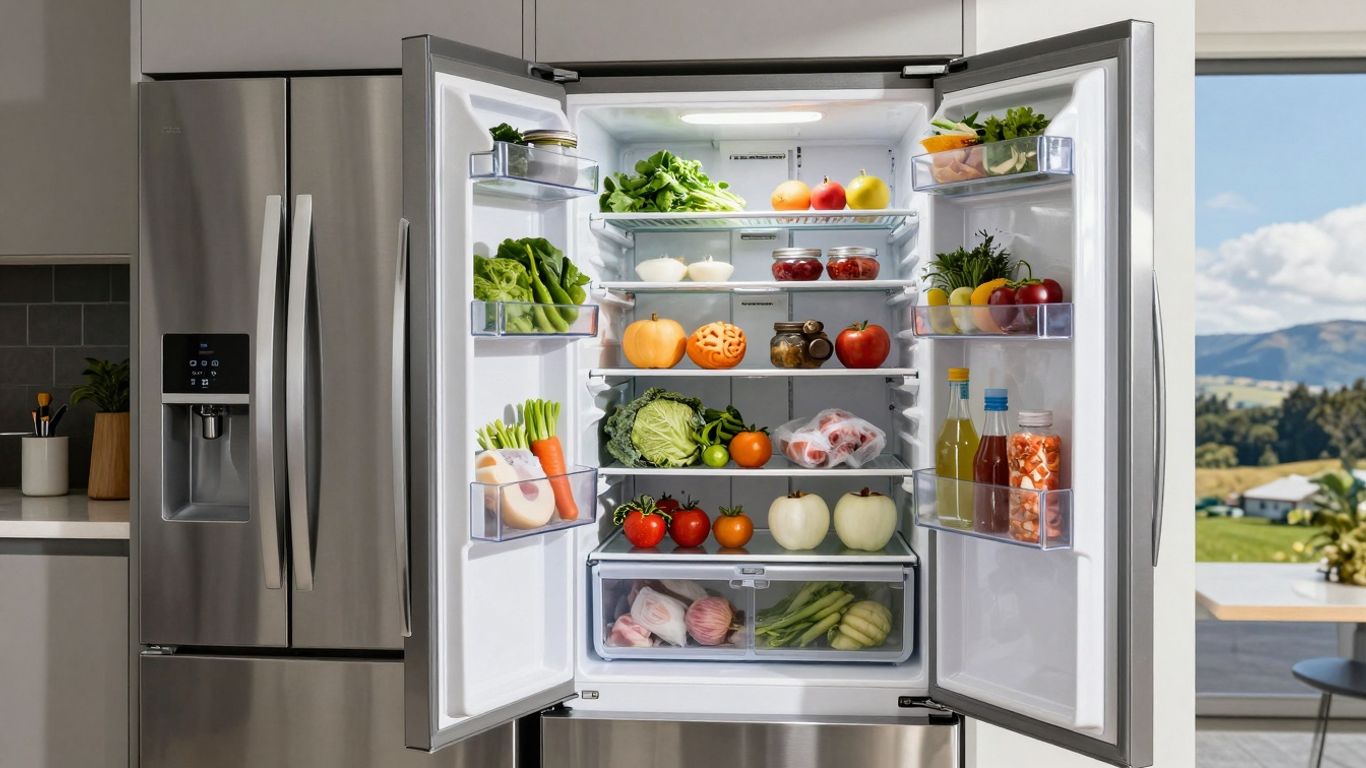
So, you’ve got your fridge and freezer humming along nicely, but are you doing everything you can to keep them running like a dream without costing you a fortune? It’s not just about the big stuff like buying an efficient model; the little things you do every day can make a surprising difference. Let’s get into some easy habits that’ll help you save power and keep your food chilled.
The ‘Cool Down’ Rule: Letting Food Reach Room Temp
This one’s a classic, and for good reason. Popping piping hot leftovers straight into the fridge or freezer is like asking your appliance to do a marathon sprint. It has to work overtime to bring that heat down, using way more energy than it needs to. Always let hot food cool down to room temperature before you pop it in. It might take a bit longer, but your fridge will thank you for it, and so will your electricity bill.
Putting hot food into your fridge forces the compressor to work harder and longer to lower the temperature. This extra effort directly translates to increased energy consumption and higher power bills. Allowing food to cool first is a simple yet effective way to reduce this strain.
Don’t Let Frost Take Over!
If you’ve got an older fridge or freezer that isn’t frost-free, you’ll know the drill. That icy build-up isn’t just unsightly; it’s a real energy hog. Frost acts like an extra layer of insulation, but not the good kind. It makes your freezer work much harder to keep things cold, meaning more power used. If you see frost building up, it’s time to get out the towels and defrost it. Aim to do this when the frost is about 1cm thick – any more and it’s really starting to impact efficiency.
The ‘Open Door’ Dilemma: Minimising Cold Air Escape
We’ve all done it – standing there with the door open, staring blankly, trying to remember where you put the butter. But every second that door is open, all that lovely cold air escapes, and your fridge has to work to replace it. Try to be organised before you open the door. Have a quick look inside, know what you need, and get it out quickly. A quick trip to the shops for energy-efficient appliances can also help, but even with the best fridge, minimising door-open time is key.
Here are a few quick tips to help you out:
- Plan your trips: Before opening the door, know exactly what you need.
- Keep it tidy: An organised fridge means you can find things faster.
- Don’t overfill: Too much stuff can block airflow, making it harder to keep things cool.
- Check those seals: Make sure your door seals are snug. A quick torch test can tell you if they need replacing – if you can see light seeping through, they’re letting cold air out.
When to Consider an Upgrade for Fridge and Freezer Efficiency
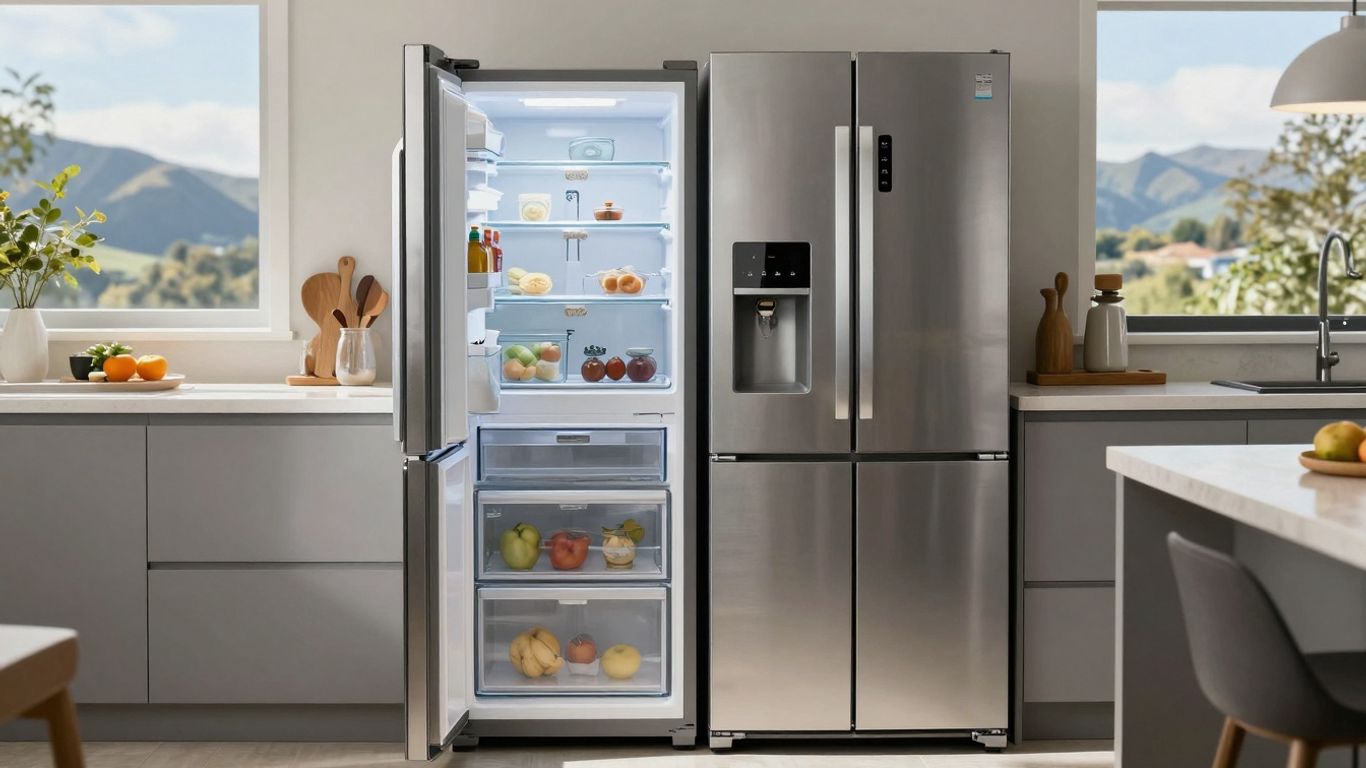
Right then, let’s have a chat about whether it’s time to wave goodbye to your old faithful fridge or freezer. We all love our appliances, but sometimes, hanging onto an old one can actually cost you more in the long run. If yours is getting on a bit, it might be time to think about a newer, more efficient model.
The Age Factor: Is Your Old Fridge Costing You?
Honestly, fridges have come a long way in terms of energy use. If your current fridge is over 15 years old, it’s probably guzzling way more electricity than you realise. Think about it, a fridge that’s 30 years old could cost you around $173 a year to run, whereas a shiny new one might only set you back about $76.50. That’s a pretty big difference, eh? It’s worth checking out the energy rating label on newer models to get an idea of their annual running costs. You can even do a quick calculation using your power tariff to see how much a new one would save you.
Second-Hand Savvy: Finding a Bargain That Saves
Now, I’m not saying you have to buy brand new. You can often find some great deals on second-hand fridges. Even a fridge that’s just a few years old can offer significant savings compared to a really old model. It’s a bit like buying a used car – you can get a good quality appliance without the new-car price tag. Just make sure you check its energy rating and condition before you buy.
Beyond the Basics: What Manufacturers Are Doing
Manufacturers are constantly tinkering away to make fridges more efficient. They’re using clever new refrigerants like R600a, which cools things down faster. Plus, they’re developing smarter compressors that don’t have to work as hard. Some even have variable speeds, kind of like cruise control for your fridge, keeping the temperature nice and steady without using loads of power. It’s pretty neat stuff!
It’s not just about the big ticket items; small adjustments can make a real difference. Setting your fridge to around 3-4°C and your freezer to -18°C can save you a good chunk on your power bill. Don’t forget to use an appliance thermometer to make sure those settings are accurate, as the dials aren’t always spot on.
Location, Location, Location: Where Your Fridge Lives Matters

Right, let’s chat about where you plonk your fridge. It might seem like a no-brainer, but where your fridge is chilling out can actually make a big difference to how hard it works and, you guessed it, how much power it guzzles.
The Garage Myth: Why It’s Not Ideal
Loads of us think the garage is a good spot for an extra fridge, especially if you’ve got a big family or love a good barbecue. But honestly, it’s usually a bad idea. Garages tend to get pretty hot in the summer and freezing cold in the winter. This means your fridge has to work overtime to keep things cool when it’s hot outside, and then it struggles to keep things from freezing up when it’s chilly. It’s a constant battle against the elements that really ramps up the energy use. Plus, if it’s an older model, it’s probably not designed for those wild temperature swings. You’re better off ditching that old garage fridge altogether; a new, efficient model will likely cost less to run. You can find some great deals on energy-efficient appliances if you look around. Check out new models.
Ventilation is Key: Giving Your Fridge Space to Breathe
Think of your fridge like a little engine. It needs space to let off steam, or rather, heat. The coils on the back (or sometimes the bottom) are where the magic happens, releasing heat from inside. If you shove your fridge right up against the wall or cram it into a tight cupboard with no airflow, those coils get all choked up. This makes the fridge work harder to get rid of the heat, using more power.
Generally, you want to leave a bit of space around it:
- At the back: Aim for at least 5-10cm. Check your fridge’s manual for the exact recommendation.
- On the sides: A few centimetres is usually fine.
- Above: If the coils are on top, give it some breathing room.
Good airflow means your fridge can do its job without breaking a sweat (or using loads of electricity).
Stable Temperatures for Optimal Performance
Your fridge really likes things to be steady. It doesn’t appreciate being placed next to a hot oven, in direct sunlight, or near a heater. All that external heat makes it work much harder to maintain its cool interior. Imagine trying to stay cool on a scorching hot day while standing next to a bonfire – not fun, right? Your fridge feels the same way.
Keeping your fridge in a spot with a consistent room temperature, away from heat sources, is one of the simplest ways to help it run efficiently. It’s a small change that can lead to noticeable savings on your power bill over time.
So, try to find a nice, cool, and stable spot for your fridge. It’ll thank you by using less energy and keeping your groceries perfectly chilled.
Future-Proofing Your Fridge and Freezer
Right then, let’s have a peek at what’s coming down the pipeline for keeping our chilly goods cold without costing us an arm and a leg. It’s not just about what we do now, but what the clever folks are cooking up for the future too.
The Promise of Magnetic Refrigeration
This sounds a bit like science fiction, but magnetic refrigeration is a real thing that’s being tinkered with. Instead of using gases to get things cold, it uses special materials that get cooler when you take a magnet away from them. The big idea is that it could be way more efficient than what we have now, maybe even saving us 30% on energy. The catch? Those special magnetic bits are a bit rare and pricey at the moment, so don’t expect to see them in your local appliance store tomorrow. It’s more of a ‘watch this space’ kind of deal.
Smarter Compressors for Smarter Savings
You know that humming noise your fridge makes? That’s usually the compressor doing its thing. The old-school ones are a bit like a car engine with a fixed speed – they’re either on full blast or off. But the newer ones, sometimes called inverter or variable speed compressors, are more like a car with cruise control. They can adjust their speed to keep things at just the right temperature without overdoing it. This means they don’t have to work as hard all the time, which should translate into some nice savings on your power bill. Plus, they’re often a bit quieter too, which is always a bonus.
Intelligent Tech: How Smart Fridges Can Help
We’re seeing more and more ‘smart’ appliances, and fridges are no exception. These clever boxes can do more than just keep your milk cold. Some can learn your family’s habits – like when the door gets opened a lot after school – and adjust their cooling power beforehand to keep things stable. Others might let you check temperatures remotely or even tell you when a door has been left ajar. While they might seem a bit fancy, the idea is that they can help you manage energy use better without you even having to think about it too much. It’s all about making life a bit easier and a bit greener.
So, there you have it!
Keeping your fridge and freezer humming along nicely doesn’t have to be a massive drama. A few simple checks, like making sure those door seals are snug and giving the coils a dust-off now and then, can make a real difference. Plus, getting the temperature just right means your food stays safe and your wallet stays a bit happier. It’s all about those little things, isn’t it? Just like making sure the hot water cylinder is wrapped up warm, these small efforts add up, especially when you’re trying to keep the power bill from looking like a phone number. Give it a go, and you might just be surprised at how much you can save. Cheers!